Working out can be exciting and satisfying, full of hard work and sweat. An important contributor of your overall comfort and success, not to be overlooked, is your attire.
Wearing the right attire not only boosts your performance, but it also helps prevent unnecessary injuries. The wrong kind of clothing can cause imprints, chafing, and blisters, while an authentic exercise clothing designed for function will help you stay with your program.
Material
Your workout clothes should be comfortable and practical. Instead of jeans, restrictive clothing, or heavy materials, choose moisture-wicking fabrics that keep you cool by moving sweat away from your body to the fabric’s surface, where it evaporates. In addition to keeping you dry, these engineered fabrics keep you temperature regulated, comfortable, and make odors less noticeable.
If you need to wear your clothes the next day, you will be happy to know that these garments dry quickly, making laundering them easy. These efficient, blended, and engineered fabrics include Colmax, Drylete, Lycra, polypropylene, polyester, spandex, Supplex, cotton blends, wool blends, and wool. Whatever you wear, ensure that you choose garments and materials that are comfortable, stylish, and practical.
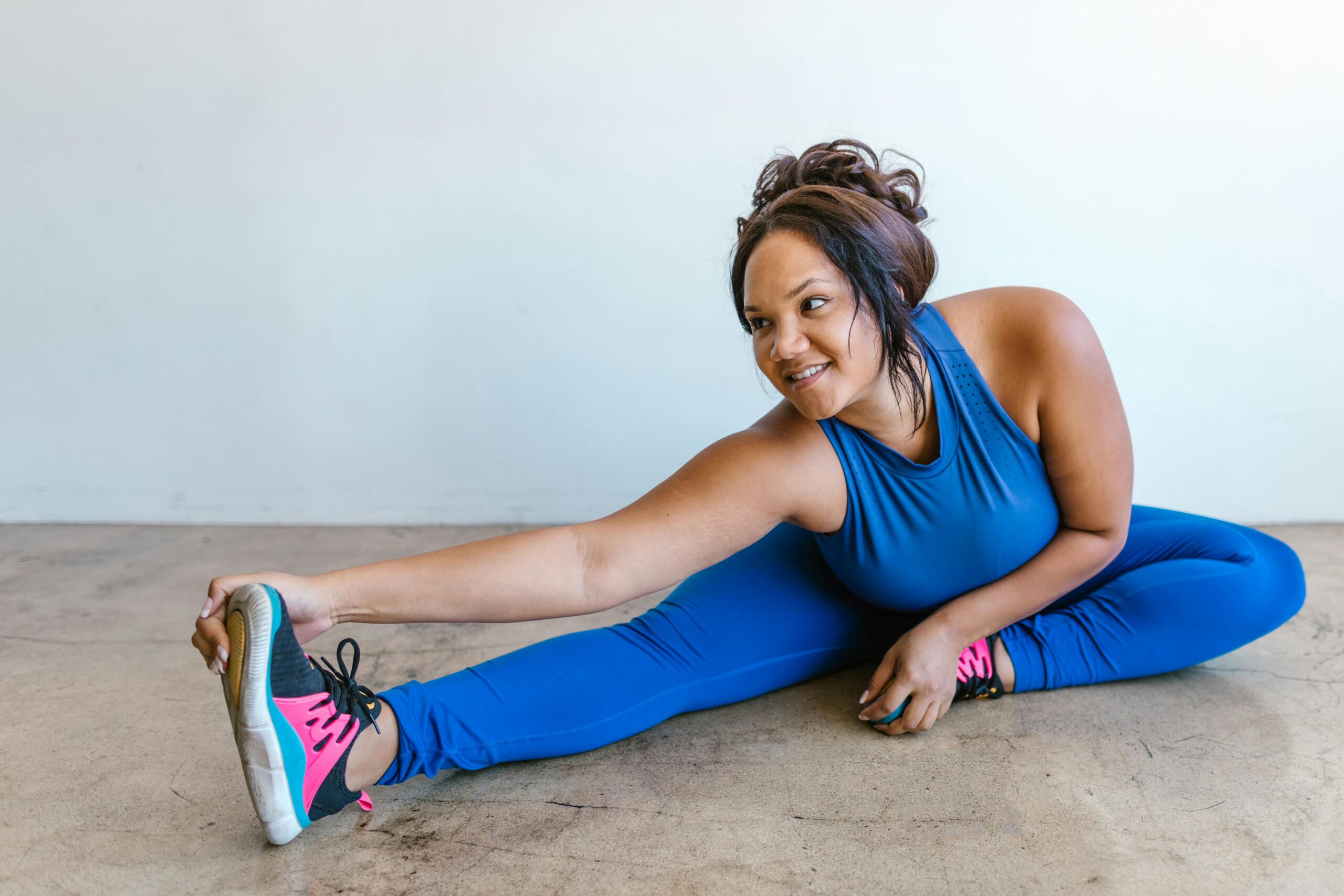
When it comes to actual clothing, opt for a breathable T-shirt or a sports top, and pair it with gym shorts or leggings. You may also consider yoga tops and pants, which are shapely but not skin-tight, have nice patterns, are a variety of lengths, and stretch. This is why they can be used for any activity, including spinning.
Ladies should also consider investing in sports bras, which are crucial to ensure comfort while working out. A well-fitted sports bra provides support and minimizes breast movement, reduces discomfort, and helps prevent potential damage to the chest ligaments during vigorous workouts. The right sports bra also regulates blood circulation and absorbs sweat, increase air flow to the skin, keeping you cool and dry all day. Finally, a well-fitting sports bras improves mobility, restores body posture, relieves neck tension and reduces back and shoulder pain.
There are various styles of sports bras available for different activities. The low-impact designs are suitable for yoga or Pilates, while high-impact sports bras work well for activities like running or high-intensity interval training (HIIT).
Socks
Socks are meant to support the body, reduce friction, regulate foot temperature, and promote comfort and circulation. The fit of the socks makes a tremendous difference in your exercise comfort. They should not constrict your skin or make a deep imprint, especially at the ankles and calves. They should also not bunch up inside your shoes or slide off your feet. Finally, you should be able to move your feet and wiggle your toes comfortably.
Good sock materials include Colmax, Supplex, Kevlar, acrylic, merino wool, wool blends, combed cotton, nylon, and cotton blends. They help keep the amount of moisture, blistering, and bunching down, leading to greater overall comfort. Socks should be highly functional, comfortable, and designed for long-term wear and endurance athletics.
It is also crucial for your socks to be the right height and thickness for the type of sport you are doing. Athletic ankle socks are great for low-topped shoes and cleats, making them ideal for football, soccer, and tennis. If you play basketball and wear high-topped shoes, wear crew socks, which prevent your shoes from rubbing against exposed skin.
Calf-length and high-knee socks are great for winter sports, as they keep you warm and protected. Another crucial component in choosing the right socks is thickness. While thinner socks are more breathable and less noticeable when you run, thicker socks offer more warmth and comfort. Thinner socks may be better suited to short-term sports such as quick sprints, while thicker socks are good for when you plan to play for a longer period of time. However, if you plan to wear extra-high shoes, you may want to wear thinner socks even though you will be playing for a while.
Shoes
Shoes support your body weight and impact form, stability, and safety. Therefore, you want the right shoes for your specific activity.
For instance, fitness activities whose foot movements are largely up and down and compression related, such as standing or pedaling, will benefit from the cushioning an average pair of running shoes provides. Running shoes are also a great choice for high-impact exercises and cardio workouts, because they are designed to absorb shock.
For activities whose movements are predominantly lateral, such as aerobics or racket sports, either sports-specific shoes (tennis shoe for tennis) or a cross-trainer is appropriate. If you’re hitting the weight rack a lot, weightlifting shoes are a good investment. They have a flat, hard sole that provides a stable base for lifting, and the raised heel can help with form during squats and other lifts. Finally, cross-trainers will work for most sports, except sports like tennis on specialty courts and surfaces.
For more help, visit a shoe store specializing in sports shoes to get advice on the right shoe to buy. Go the shoe store after a workout or a run at the end of the day, when your feet are at their largest. Also, when you go, wear the socks you plan to wear with the shoes. Try on a number of different brands, as they are sized slightly differently.
Conclusion
When deciding on what to wear for a workout, prioritize your safety, comfort, and performance. Your attire has a tremendous impact on your experience of fitness!
Comments are closed